

Power Your Performance with Balanced Nutrition
Active men demand more from their bodies. Whether you're training hard at the gym, building muscle, or maintaining peak performance, the right nutrition strategy makes all the difference. Our editorial platform explores the science-backed principles of balanced eating tailored for men who refuse to compromise on their fitness goals.
The information on this site is for educational purposes only and does not constitute medical advice. Always consult a qualified healthcare professional before making health decisions.
What You'll Explore Here
Comprehensive insights into nutrition, training, and lifestyle for active men
Protein & Muscle Building
Learn optimal protein intake strategies, timing, and food sources that support muscle recovery and growth. Discover how macronutrient distribution impacts your training results.
Energy & Performance
Understand carbohydrate loading, pre-workout nutrition, and fuel strategies that maximize your endurance and strength during intense physical activity.
Health & Longevity
Explore micronutrients, anti-inflammatory foods, and whole-body wellness nutrition that supports cardiovascular health and long-term vitality.
Meal Planning & Prep
Practical guides for weekly meal preparation, balanced plate composition, and efficient nutrition strategies that fit your busy lifestyle.
Hydration & Supplementation
Understand fluid intake requirements, electrolyte balance, and evidence-based supplement choices to enhance your nutrition strategy safely.
Progress Tracking
Learn how to monitor your nutrition impact through measurable metrics, body composition changes, and performance indicators that matter.
The Active Man's Nutrition Blueprint
Balanced nutrition isn't about restriction—it's about strategic fueling. For active men, this means aligning your caloric intake with energy expenditure, timing nutrients around your training, and choosing foods that support both performance and long-term health.
Our editorial platform breaks down complex nutrition science into actionable insights. You'll learn how to build meals that taste great, keep you satisfied, and deliver the macro and micronutrients your body demands during rigorous physical activity.
- Personalized approach: Understand your unique caloric and macronutrient needs based on your activity level and goals.
- Evidence-based content: Every article references current nutritional science and research findings.
- Practical implementation: Real meal examples, shopping lists, and prep strategies you can use immediately.

Core Nutrition Pillars
The foundation of any effective nutrition strategy for active men
1. Adequate Protein
Active men require 1.6-2.2 grams of protein per kilogram of body weight daily. Learn how to distribute protein intake throughout the day, identify high-quality sources, and time protein consumption for optimal muscle protein synthesis.
2. Strategic Carbohydrates
Carbs fuel your training. Discover how to choose between simple and complex carbohydrates, time carb intake around workouts, and maintain energy levels throughout demanding training sessions.
3. Healthy Fats
Don't fear fat—embrace omega-3 and omega-6 fatty acids that support hormone production, reduce inflammation, and protect cardiovascular health while maintaining lean muscle mass.
4. Micronutrient Density
Vitamins, minerals, and phytonutrients support recovery, immunity, and performance. Learn which foods pack the most micronutrient value and how to ensure you're not missing critical nutrients.
5. Hydration Mastery
Proper hydration impacts performance, recovery, and body composition. Understand your fluid needs during different activity levels and how electrolytes influence hydration effectiveness.
6. Caloric Balance
Whether building muscle or reducing body fat, caloric alignment is fundamental. Learn how to calculate your needs and adjust intake based on your specific training phase and goals.
Meal Prep Inspiration
Real-world examples of balanced meals for active men

Power Breakfast
Scrambled eggs, whole grain toast, avocado, and berries. Delivers 35g protein, healthy fats, and antioxidants to start your day strong.
~450 calories | 35g protein | 45g carbs | 18g fat
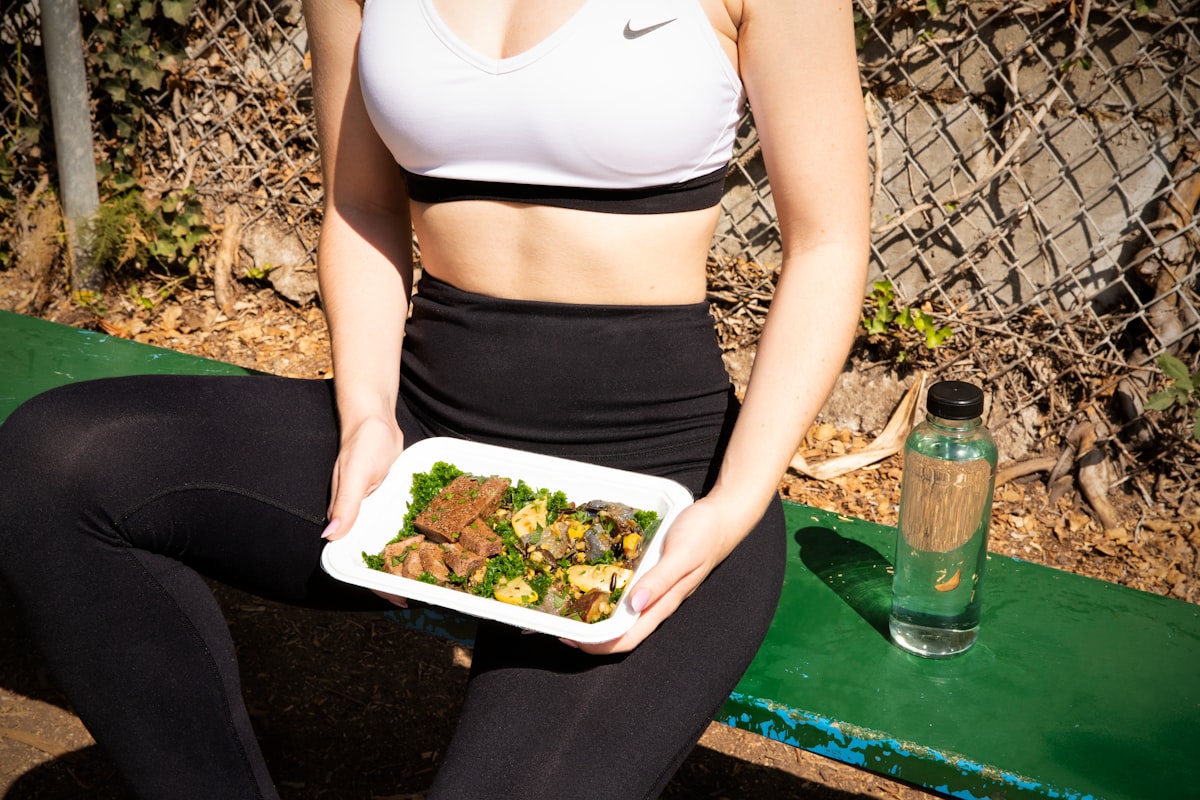
Recovery Lunch
Grilled chicken breast, brown rice, steamed broccoli, and olive oil. Perfect post-workout meal with excellent protein and refueling carbs.
~620 calories | 48g protein | 68g carbs | 12g fat

Anti-Inflammatory Dinner
Wild-caught salmon, sweet potato, and roasted asparagus with lemon. Omega-3s, complex carbs, and micronutrient-rich vegetables.
~580 calories | 42g protein | 52g carbs | 16g fat

Pre-Workout Snack
Greek yogurt with granola and mixed berries. Fast-digesting carbs and protein for sustained energy during training sessions.
~280 calories | 18g protein | 38g carbs | 5g fat

Strength Building Plate
Lean ground beef, roasted root vegetables, and quinoa. Iron, zinc, and creatine for muscle building and strength gains.
~670 calories | 52g protein | 72g carbs | 14g fat

Recovery Smoothie
Protein powder, banana, almond butter, and milk. Quick-absorbing nutrients ideal for immediate post-workout recovery within the anabolic window.
~380 calories | 28g protein | 42g carbs | 9g fat
Your 30-Day Transformation Framework
A structured approach to establishing balanced nutrition habits
Week 1: Assessment & Baseline
Calculate your daily caloric expenditure and determine macronutrient targets based on your weight, activity level, and goals. Track your current eating habits to identify patterns and areas for improvement. Establish baseline measurements: body weight, measurements, and how you feel energy-wise.
Week 2: Habit Building
Implement consistent meal timing around your workouts. Begin meal prepping for 3-4 days at a time. Focus on hitting protein targets at each meal and drinking sufficient water daily. This week emphasizes building systems, not perfection.
Week 3: Optimization
Fine-tune meal composition based on how you're feeling and performing in workouts. Adjust carbohydrate intake if energy is low, or reduce slightly if not progressing as desired. Experiment with different protein sources and meal timing strategies to discover your optimal approach.
Week 4: Evaluation & Sustainability
Reassess your measurements, energy levels, and training performance. Review what worked and what didn't. Establish a long-term nutrition framework based on your month of experience. The goal is sustainable habits, not temporary changes—build a system you can maintain for months and years.
What Our Readers Are Discovering
Real feedback from active men using our nutrition insights
The meal planning articles transformed how I approach nutrition. I used to eat randomly around my workouts, but understanding macronutrient timing made a huge difference in my energy and recovery. My gym performance improved noticeably within three weeks.
Ricky Pratama
Bandung, Indonesia
I've tried many nutrition programs, but this platform's evidence-based approach resonated with me. The articles aren't selling anything—they're genuinely educational. I've learned more about protein quality and amino acid profiles than I expected. My muscle gains have been steady.
Hendra Susanto
Jakarta, Indonesia
As someone training for a marathon while building muscle, balancing macros seemed complicated. These articles broke it down into practical steps. The meal prep inspiration section alone saved me hours of planning. Highly recommend for any active man serious about performance.
Dwi Suryanto
Surabaya, Indonesia
Frequently Asked Questions
Everything you need to know about balanced nutrition for active men
How much protein do I need daily?
The current recommendation for active men is 1.6-2.2 grams of protein per kilogram of body weight daily. This amount supports muscle protein synthesis after training. For example, an 80kg man should consume 128-176g of protein daily. Distribute this across 3-4 meals for optimal absorption.
Should I eat before or after workouts?
Both meals matter. Pre-workout (1-3 hours before): eat carbs and protein to fuel performance. Post-workout (within 1-2 hours after): consume protein and carbs to initiate recovery. If you can't eat solid food post-workout, a shake works perfectly. Timing within these windows is more important than exact minutes.
Can I lose fat while building muscle?
Yes, especially if you're new to structured training. This requires a slight caloric deficit (200-300 calories below maintenance) combined with adequate protein and consistent strength training. Progress will be slower than in a bulk or cut, but you'll gain muscle definition. More experienced lifters might need to choose one goal per phase.
What about supplements?
Whole foods should be your foundation. Supplements that have strong evidence include whey protein powder (for convenience), creatine monohydrate (for strength and muscle), and a basic multivitamin if your diet has gaps. Everything else is secondary to proper nutrition and training. Learn more in our detailed supplement articles.
How do I calculate my daily calorie needs?
Start with your Basal Metabolic Rate (BMR) using the Harris-Benedict equation, then multiply by your activity factor (1.3-1.9 depending on exercise frequency). Our articles include detailed calculators and step-by-step guides. Track your intake for 2 weeks, adjust based on results, and reassess monthly as your body changes.
How much water should I drink daily?
The general rule is 0.5-1 ounce per pound of body weight, or aim for 3-4 liters daily for most active men. During intense training, increase intake by 16-24 oz per hour of exercise. Monitor urine color (pale yellow indicates good hydration) and adjust based on climate, sweat rate, and activity intensity.
Start Your Nutrition Journey Today
Explore our comprehensive articles on balanced nutrition, meal planning, and evidence-based strategies designed specifically for active men who demand peak performance.
Stay Updated on Nutrition Content
Subscribe to receive our latest articles and insights on balanced nutrition for active men
We respect your privacy. Unsubscribe anytime.